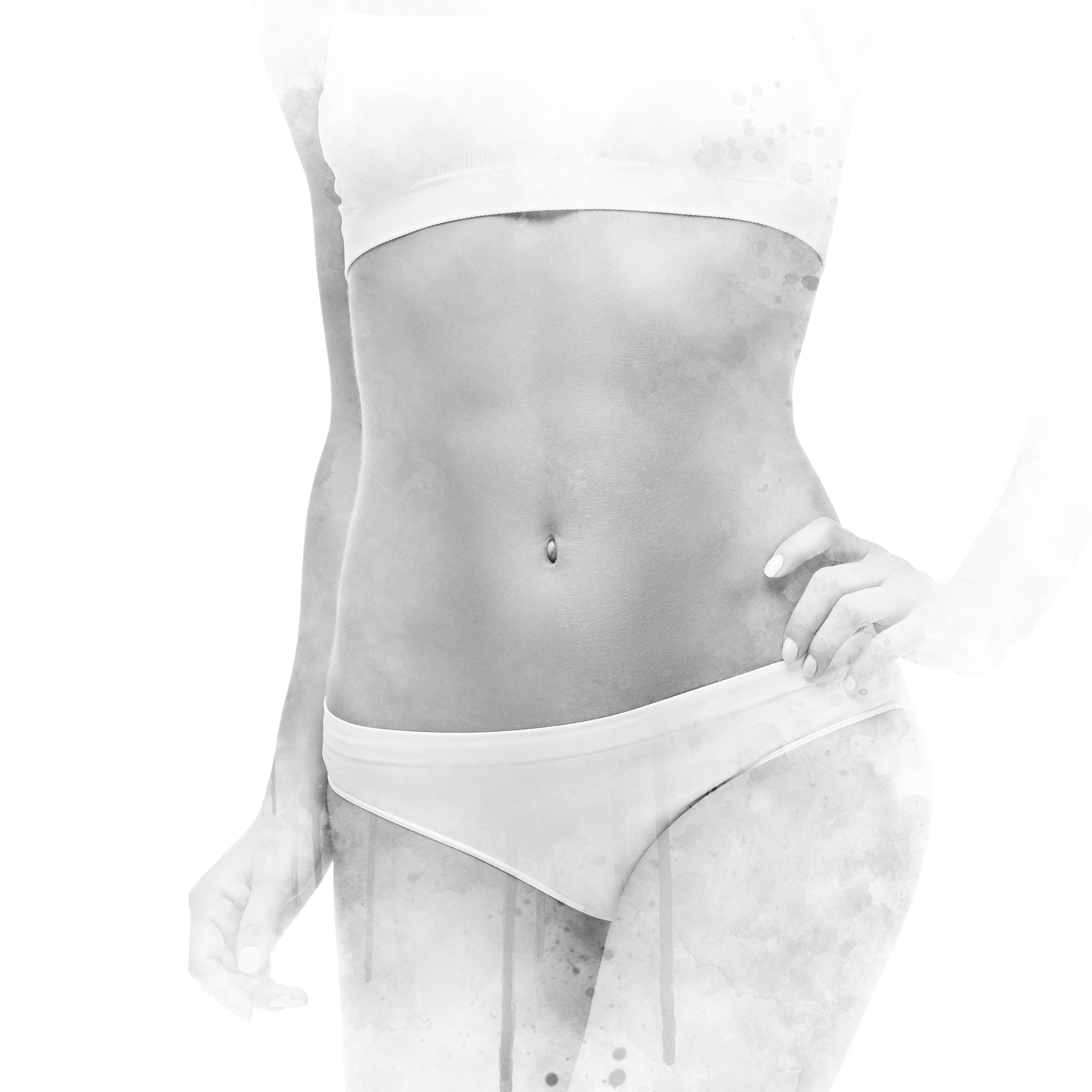
‘Snatched’ is social-media shorthand, not a medical term — but the look it describes is specific: a sharply defined waistline that curves inwards between the ribs and the hips, with a flat abdomen and smooth flanks. Surgery can move some bodies meaningfully in that direction. What it cannot do is create any waist on any body, and a clinic that suggests otherwise is describing an edited photograph, not an operating theatre.
Here is an honest translation of the trend into surgical reality — what [body contouring in Dubai](/plastic-surgery/body-contouring) can genuinely achieve, and where your anatomy draws the line.
## What People Mean — and Which Procedures Actually Produce It
When patients bring the term to consultation, they are usually describing the result of circumferential liposuction — often called lipo 360 — which treats the abdomen, flanks and lower back as one continuous shape rather than isolated zones. Removing the fat that pads out the flanks and lower back is what reveals the inward curve of the waist. Where skin has lost elasticity or been stretched by pregnancy or weight change, liposuction alone is not enough: a tummy tuck or other skin surgery may need to be part of the plan. Definition work such as LipoHP®, Dr. Valente’s high-performance liposuction method, adds precision at the waistline for suitable candidates.
## The Limits Your Anatomy Sets
Three things set the ceiling on how narrow a waist can become, and none of them can be operated on:
- **Rib cage width.** The lower ribs define the top of the waist. A broad or flared rib cage means a wider natural waist, however little fat remains. - **Muscle thickness.** The abdominal and back muscles sit beneath the fat. An athletic, well-developed core adds circumference that liposuction does not touch. - **Skin quality.** Skin must retract to follow the new contour. Lax or stretch-marked skin follows less — and sometimes needs surgery of its own.
Liposuction is also a shaping procedure, not a slimming one — the scale barely moves, and we explain [how many kg you actually lose](/blog/liposuction-weight-loss-kg) in a separate article. If your rib cage is broad and your musculature is thick, the honest answer is that your version of a defined waist will be yours — not the one in the reference photo.
## Proportion Ages Better Than Extremes
An over-hollowed waist looks striking from one filtered angle and wrong from the other twenty. Over-resection — removing too much fat, too superficially — leaves irregularities, shadows and a pinched look that becomes more obvious as skin thins with age, and it is difficult to correct. The wider aesthetic conversation has moved in the same direction; we have written about [the shift to natural results](/blog/natural-results-implant-removal-trend) across procedures. Dr. Valente plans the waist in proportion to shoulders, hips and height, because proportion is what still looks right in ten years.
## Filters Set Expectations Surgery Cannot Meet
A significant part of the consultation is now spent gently separating real anatomy from digital anatomy. Many reference images — including some posted by clinics — are edited, posed, corseted or generated. Comparing your result to an image that was never real sets you up for disappointment, however good the surgery. Bring the photos anyway: they are useful for discussing direction, as long as everyone in the room is honest about what they are.
## The Conversation Before Any Decision
Rigorous patient selection is where good outcomes start: weight stability, skin assessment, health screening and — frankly — whether surgery is worth it for the change you would get. Surgery of this scale belongs in a licensed hospital with a dedicated anaesthetist and structured follow-up. You should also expect transparency on money: see our guide to [plastic surgery cost in Dubai](/plastic-surgery/costs), and expect a written, itemised quote — never pressure to book on the day.
If you are considering waist-focused contouring, a consultation with Dr. Augusto Valente will give you an honest assessment of what your anatomy allows — including, when it is the truthful answer, that surgery would change less than you hope.