The honest answer first: most patients lose only about 2–5 kg on the scale, and often less. Liposuction changes your shape, not your weight. That surprises many people researching liposuction in Dubai, because the visual change in the mirror can be dramatic while the number on the scale barely moves. Both things are true at once, and understanding why is the best protection against choosing the wrong operation for the wrong reason.
Why the scale barely moves
Three facts explain the gap. First, fat is light: a litre of fat weighs roughly 0.9 kg, so even a large-volume treatment removes only a few kilograms of actual tissue. Second, there is a safety ceiling: responsible surgeons remove no more than about 5 litres of fat in a single session, because going beyond that materially increases the risk of dangerous fluid shifts. Third, swelling masks everything for weeks: your body replaces some of the removed volume with inflammatory fluid at first, which is why the scale can even go up in the early days before settling over the following weeks and months.
What actually changes
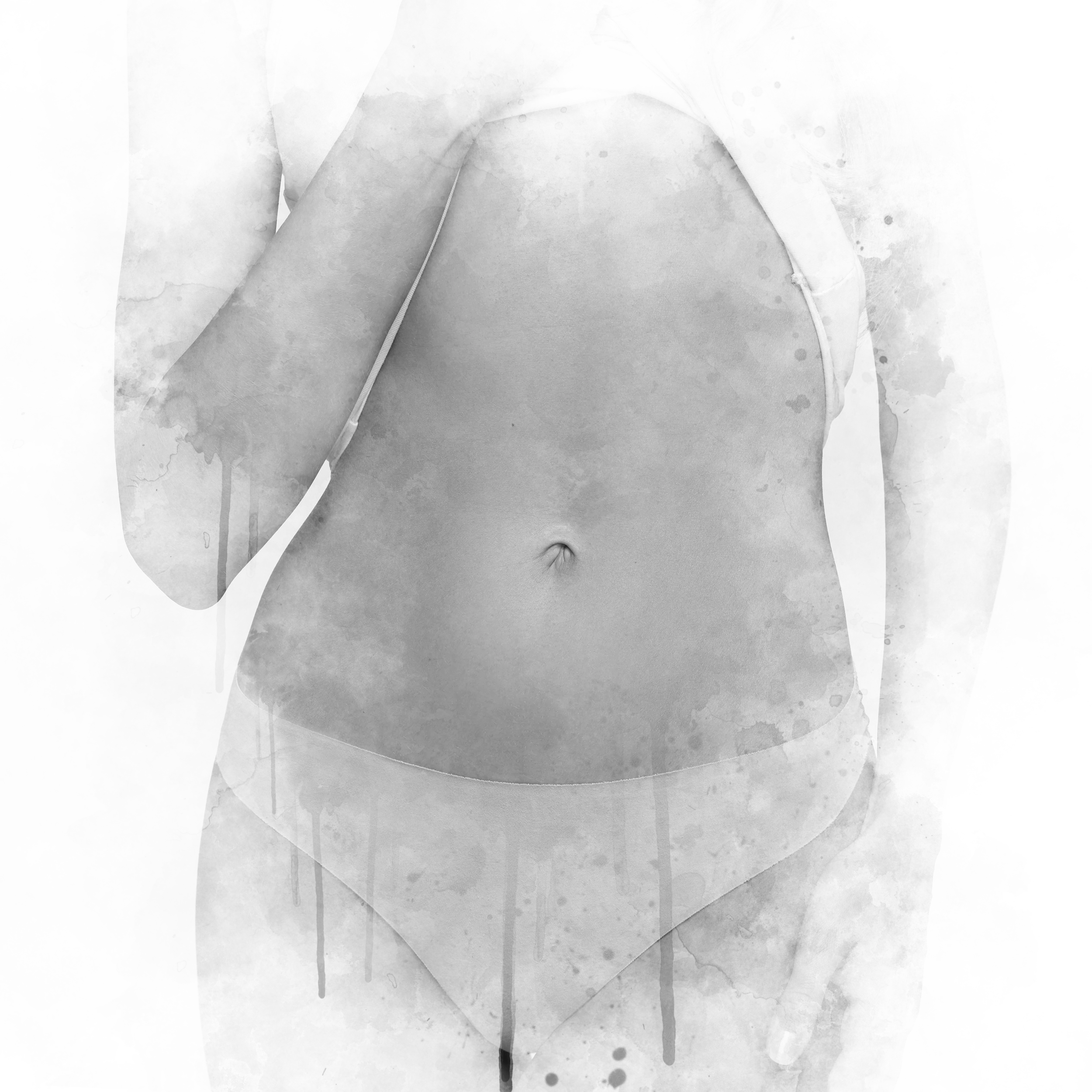
What liposuction changes is contour and proportion: a flatter abdomen, a defined waist, flanks that no longer spill over a waistband, a silhouette that matches the work you put in elsewhere. Patients notice it in how clothes fit and in photographs long before any scale would show it. This is why Dr. Valente asks patients to judge their result by standardised photos, measurements and clothing, never by weight. If you measure the wrong thing, a genuinely good result can feel like a failure.
What liposuction cannot do
Stated plainly: liposuction cannot remove visceral fat, the fat stored deep inside the abdomen around the organs, which is the fat most linked to metabolic health and the fat that makes an abdomen bulge outwards from within. It only removes the subcutaneous layer between skin and muscle. It is not a treatment for obesity, it will not meaningfully lower your BMI, and it is not a substitute for diet, exercise or medical weight management. Any clinic implying otherwise is selling you the wrong operation. If shape rather than weight is what you are actually after, that is precisely what LipoHP body contouring is planned around, and it is judged on different criteria entirely — see how a good liposuction result is measured.
Who liposuction genuinely suits
The right candidate is someone at a stable weight, generally with a BMI under about 30, who has specific pockets of fat that persist despite consistent diet and training: flanks, lower abdomen, inner thighs, the chin. For that person, surgery does what no amount of cardio can, because localised fat distribution is largely genetic. You can read more about who is a candidate for liposuction in the main guide, including the situations where the honest advice is to wait.
Dr. Valente’s expectation filter
Dr. Valente treats expectations as part of patient selection. If a patient’s real goal is weight loss, he says so honestly at consultation: this is the wrong operation, and proceeding would spend money and accept surgical risk for a result the scale will never show. The better path in that case is weight management first, with surgery reconsidered later for the pockets that remain. It is a less profitable answer than booking everyone, and it is the correct one.
If you are unsure which side of that line you fall on, that is exactly what a consultation is for. You will get an honest assessment of what liposuction would and would not change in your case, a written, itemised quote if surgery makes sense, and no pressure to book on the day.
Written by Dr. Augusto Valente Plastic surgeon in Dubai